
Everyone says consistency is the key to success.
Post consistently. Work consistently. Show up consistently.
But for most beginners, consistency feels like the hardest part of the entire process.
You start strong for a few days or weeks, then life happens. Motivation drops. Progress feels slow. And before you realize it, you’re back at square one—wondering why staying consistent feels so exhausting.
The problem isn’t that you lack discipline.
It’s that consistency is often misunderstood.
Why Consistency Feels Impossible
Consistency is usually framed as a personality trait—something you either have or don’t have.
In reality, most beginners struggle with consistency for three very practical reasons:
You’re Relying on Motivation
Motivation is unpredictable. Some days you have it, most days you don’t. When consistency depends on how you feel, it naturally breaks down.
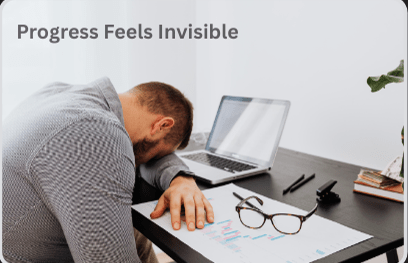
Progress Feels Invisible
When you can’t clearly see what you’ve done or what’s moving forward, your brain assumes nothing is working—even when it is.
You’re Doing Too Much at Once
Trying to be consistent with everything leads to burnout. Consistency works best when it’s narrow and focused.
None of this means you’re failing.
It means the system you’re using isn’t supporting you.
Why “Just Try Harder” Doesn’t Work
Most advice around consistency sounds like this:
Wake up earlier
Push through resistance
Be more disciplined
But effort without structure leads to stop-start cycles.
If you don’t have a clear way to track progress, consistency feels like endless effort with no payoff. That’s when quitting starts to make sense.
What Actually Makes Consistency Easier
Consistency becomes easier when it’s designed, not forced.
Here’s what helps instead:
Focus on One Small Commitment
Consistency doesn’t mean doing everything every day.
It means showing up for one clear priority regularly.
Make Progress Visible
When you can see progress, momentum builds naturally. Even small wins matter when they’re visible.
This is why simple systems—like progress tracking—work better than motivation alone. Instead of guessing whether you’re being consistent, you can see it.
Reduce Decision Fatigue
The fewer decisions you have to make each day, the easier it is to follow through. Systems remove the need to constantly rethink what to do next.
Consistency Is a System, Not a Personality Trait
People who look “naturally consistent” usually aren’t more disciplined—they’re more supported.
They use simple structures to:
Stay focused
Track what matters
Avoid overthinking
That’s why I rely on a very simple progress tracker myself. It keeps consistency visible instead of emotional, and it removes the guesswork that leads to burnout.
A Simple Way to Start Today
If consistency has been a struggle for you, try this:
Choose one thing to focus on this week
Track whether you showed up—not how perfectly you did
Let visibility, not motivation, guide you
Consistency isn’t about pushing harder.
It’s about making progress easier to see.
Closing Thought
You don’t need to become a more disciplined person.
You need a system that works with you instead of against you.
When consistency is supported, it stops feeling like a struggle—and starts feeling sustainable.

 Beginner Digital Products